
How to Analyze Lottery Numbers: A Data-Driven Guide to Smarter Play
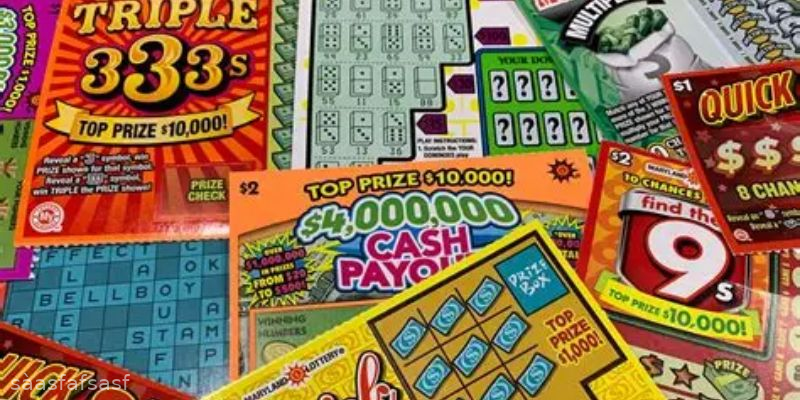
Every day, millions of people dream of winning the lottery. But what separates hopeful dreamers from strategic players is understanding that Analyze Lottery Numbers can help refine your approach—not to guarantee a win, but to improve your odds. In this guide, we’ll show you how to study real data, recognize patterns, and apply probability for smarter, more informed choices. Along the way, we’ll also explore how platforms like 91PH bring lottery enthusiasts closer to their winning strategies.
Kahulugan ng Panaginip Tungkol sa PagsusugalUnderstanding the Basics of Lottery Mathematics
The Role of Probability and Combinatorics
At its core, lottery analysis starts with understanding how numbers behave in random systems. In games like the 6/49 lottery, where 6 numbers are drawn from a pool of 49, the total number of combinations is calculated using combinatorics: C(49,6) = 13,983,816. This immense pool highlights the odds of hitting a jackpot, emphasizing the need for strategic play.
For deeper analysis, the hypergeometric distribution is used to model the likelihood of drawing a specific number of matching balls without replacement—a statistical approach used by professionals and mathematicians alike (Wikipedia).
91ph homepage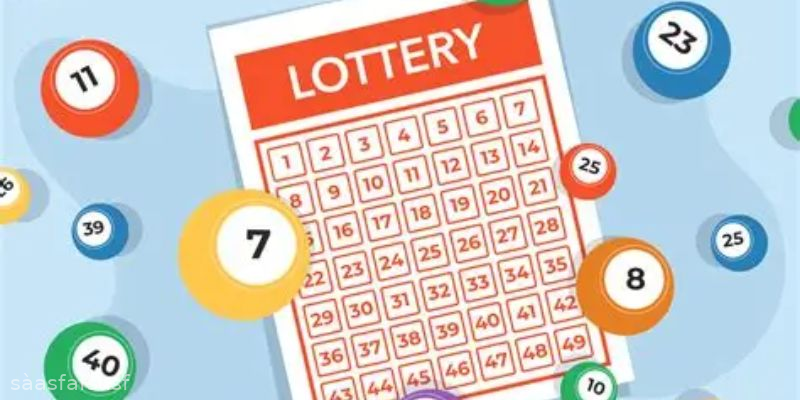
Collect and Organize Historical Data
Why Historical Draws Matter
The first step to analyzing lottery numbers effectively is collecting historical results. Aim for datasets that span years, not just weeks. Many lotteries publish this data online, or you can scrape it into a CSV file for easier manipulation in tools like Excel or Python.
- Gather draw dates and numbers in chronological order
- Use spreadsheets or databases to organize and visualize trends
- Ensure data completeness and avoid bias by using official sources
Frequency Analysis: Uncovering the Most Drawn Numbers
Observed vs Expected Frequency
Once you have historical data, calculate how often each number has appeared (observed frequency). Then, compare this to what you’d expect if all numbers were truly random (expected frequency).
The chi-squared test is commonly used to test whether some numbers appear more frequently than others due to chance or possible bias.
- Identify high-frequency numbers (sometimes called “hot” numbers)
- Flag rarely drawn numbers (“cold” numbers)
- Note numbers appearing in clusters or specific ranges
Pattern and Trend Identification
Analyzing Number Sequences
Patterns don’t predict future outcomes, but they help you play with more confidence. Look at:
- Repeated number pairs or triplets
- Sums of drawn numbers (e.g., most combinations fall within a mid-range)
- Odd vs even number ratios
- Consecutive numbers appearing together
Visualization tools or dashboards can help uncover these patterns clearly and quickly.
see more >>> Baccarat Winning Tips: Master the Game with Strategy and Discipline
Use Lottery Analysis Tools and Software

Automate Your Insights
Several lottery websites and apps offer real-time analysis based on past draws. These tools use historical data to show:
- Most common and overdue numbers
- Frequency graphs and heatmaps
- Statistical number filters and predictions
Popular platforms like LotteryNGo or Sociable.co provide deep insights for serious players.
Expert Strategies and Considerations
Strategic Play vs Random Play
Experts are divided: Some recommend sticking with one number set for multiple draws, while others prefer adapting based on new trends. Both are valid approaches as long as you understand the risks involved.
Remember:
“The lottery is a game of chance, not certainty. But strategy makes the ride more interesting.” – Dr. Joseph Turner, Statistician & Game Theorist
Avoid Misconceptions and Know the Limits
What Analysis Can and Cannot Do
Despite patterns in past draws, each lottery draw is an independent, random event. Analysis does not predict winning numbers—it only helps guide your choices based on likelihood and trends.
- Never assume past outcomes influence future results
- Use analysis to inform, not to overinvest emotionally or financially
- Gamble responsibly and set a budget
As noted by Wikipedia’s lottery mathematics article, statistical tools assess fairness—not fate.
Conclusion: Smarter Play Starts with Smarter Data
Analyzing lottery numbers isn’t about chasing luck—it’s about making data-backed decisions that help you play wiser. From frequency charts to pattern detection and expert tools, each method gives you an edge—not over the game, but over randomness itself.
| Method | What It Does | Limitations |
|---|---|---|
| Frequency Analysis | Highlights commonly drawn numbers | Doesn’t predict future draws |
| Pattern Recognition | Identifies recurring number trends | Can be coincidental |
| Expert Tools | Automates analysis & visualization | Relies on historical data accuracy |
Take Action: Start Your Analysis Today
Ready to elevate your lottery strategy? Start collecting historical data, explore free tools like LotteryNGo, and track your numbers with intention. Whether you’re a casual player or a stats geek, knowledge gives you the edge.
Bonus Tip: Try combining number balancing (odd/even, high/low) with pattern filters to refine your ticket choices.
Explore more: 91PH.net.ph offers not just lotteries, but an entire suite of games and tools for enthusiasts across Southeast Asia, backed by trusted support and modern analytics.
Author: Jason Lin, Data Analyst & Gaming Enthusiast. Passionate about probability, pattern recognition, and empowering lottery players with data.